Protecting Homes from Damp & Mould Across Somerset and Beyond.
Protecting Homes from Damp & Mould Across Somerset and Beyond.


Mould and condensation are common issues in many homes, particularly in damp or poorly ventilated areas. To reduce mould growth and manage condensation effectively, it is essential to keep your home well-ventilated. Open windows whenever possible to promote air circulation, especially in areas like kitchens and bathrooms where moisture is produced. If opening windows is not an option, consider using extractor fans or dehumidifiers to help control humidity levels and prevent moisture build-up.
Another effective method to reduce mould and condensation is to maintain a consistent indoor temperature. Sudden temperature changes can lead to condensation forming on cold surfaces. Insulating walls, windows, and doors can help keep indoor temperatures stable and reduce the risk of condensation. Additionally, aim to heat your home evenly, as cold spots can foster mould growth. Using heating systems efficiently will not only help maintain warmth but also deter dampness.
Lastly, regular cleaning and maintenance of your home are vital in controlling mould. Make a habit of wiping down surfaces that are prone to dampness, such as window sills and corners of rooms, with a mould-inhibiting cleaner. Check for leaks in roofs, pipes, and walls, and address them promptly to prevent extra moisture ingress. By taking these proactive steps, you can create a healthier living environment while minimising the risk of mould and condensation in your home.
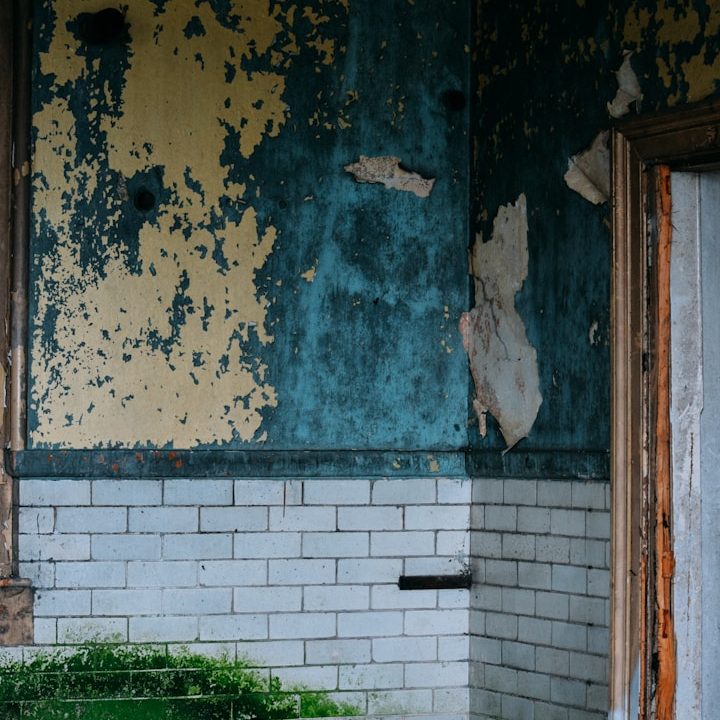
Damp and mould in living spaces are not just unsightly; they can have serious implications for individuals' health. Exposure to mould spores can lead to a range of respiratory problems, including asthma exacerbations, allergic reactions, and other respiratory infections. Individuals with pre-existing health conditions, such as asthma or allergies, may find their symptoms worsened by damp environments, making it essential to address any mould issues promptly.
Legally, landlords and property owners have a responsibility to maintain a safe living environment for their tenants. Under various housing regulations in the UK, failure to address damp and mould can result in legal consequences, including fines. It is crucial for property owners to recognise that neglecting mould problems not only poses a risk to tenants’ health but can also lead to long-term property damage, creating a cycle of further issues.
In summary, the impact of damp and mould on health is significant, and swift action is necessary to mitigate these risks. Property owners must be proactive in treating damp and mould issues, ensuring the health and safety of their tenants while fulfilling their legal responsibilities. Prompt intervention can help prevent the escalation of health problems associated with mould exposure and ensure a healthy living environment for all.
Telephone: 07930140041
E-mail: enquiry@nsdampmould.com
We need your consent to load the translations
We use a third-party service to translate the website content that may collect data about your activity. Please review the details in the privacy policy and accept the service to view the translations.